Slab Leak vs. Foundation Problem: How to Tell the Difference in DFW
Slab Leak vs. Foundation Problem: How to Tell the Difference in DFW
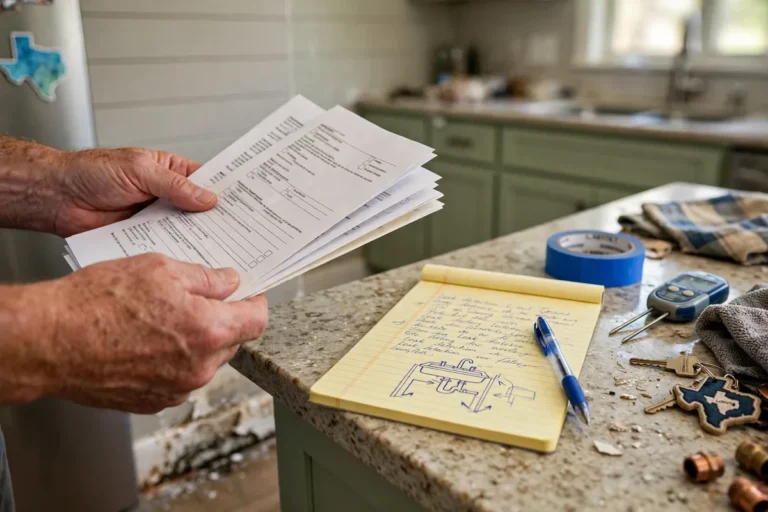
In Dallas-Fort Worth, slab leaks and foundation problems are constantly mistaken for each other — and the confusion costs thousands in the wrong direction. Fix the foundation while a leak runs, and the new piers shift again. Open the slab for a leak that doesn’t exist, and you’ve got a hole in the floor and the same cracked walls. Here’s how to tell them apart.
Not sure it is a leak at all? Start with the 7 warning signs of a slab leak — and if it is one, here is how professional leak detection actually works.
Why DFW Is Ground Zero for This Confusion
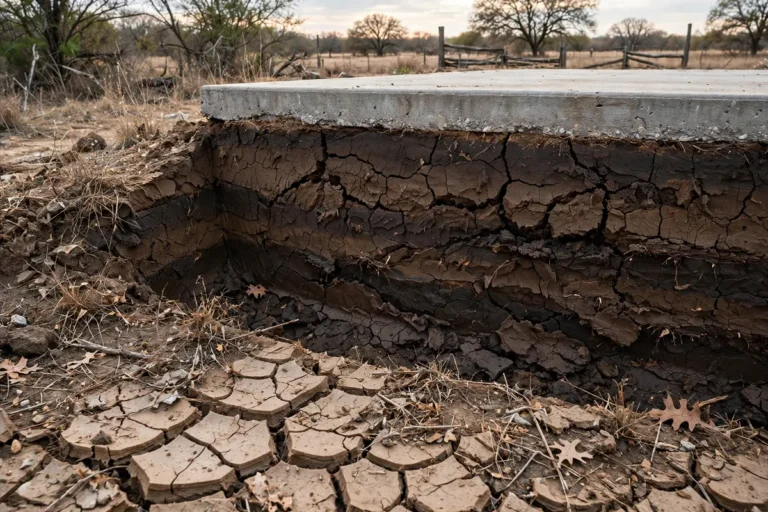
Dallas-Fort Worth sits on Blackland Prairie clay that swells up to 30 percent when wet and shrinks dramatically when dry, moving inches every season. Nearly every home here is slab-on-grade, and a huge share of the housing stock runs on 1960s–80s copper that’s now at failure age. That combination means both conditions are extremely common — and worse, a slab leak can cause foundation movement, so you can genuinely have both at once. This is exactly why slab leaks are so common in DFW in the first place.
Signs That Point to a Slab Leak
A leak leaves water evidence:
- A water bill that spiked with no change in usage
- The sound of running water under the floor when everything is off
- Warm or hot spots on the floor (hot-water line leak)
- Damp carpet, dark grout lines, buckling wood or laminate
- Musty smells or mold with no visible plumbing source
- A water meter that spins with all fixtures off
Full checklist: 7 signs of a slab leak. Two or more of these? Stop reading about foundations — shut off your main valve and call (888) 555-0199 for emergency slab leak detection in Dallas or Fort Worth.
Signs That Point to a Foundation Problem (No Leak)
A pure foundation problem leaves movement evidence without water:
- Stair-step cracks in brick veneer or exterior walls
- Diagonal cracks above doors and windows that open and close seasonally
- Doors and windows that stick — but only in certain seasons
- Gaps between walls and ceiling, or baseboards pulling away
- Sloping floors without any dampness, warmth, or odor
- Cracks that appeared during a drought summer and partially closed after rain
That last one is the DFW classic: clay shrinkage during a dry summer drops one corner of the slab — then fall rains swell it back and everything mostly closes. That’s soil movement, not plumbing.
Suspect a Leak? Get It Checked Before It Gets Worse.
Every day a leak runs, the damage — and the repair bill — keeps growing.
The Causality Runs Both Ways
Here’s the part nobody untangles. It starts with the soil: DFW’s clay swells and shrinks inches every season, flexing embedded copper lines year after year until the metal work-hardens and cracks — soil movement causes the leak. Then the leak washes fine soil out from under the slab, removing support unevenly — the leak worsens the soil movement, causing settling or heave. It’s a feedback loop. That’s why the sequence is non-negotiable:
- Plumber first. A leak detection specialist finds and stops the leak — the active, growing problem. ($300–$600, usually credited toward repair.)
- Let the soil stabilize for a few months after the repair.
- Then the foundation company — if movement symptoms persist once the water is gone.
Calling the foundation company first means paying to stabilize a slab that’s still being undermined. And watch for this trap: foundation salespeople who never mention that the “settling” they’re quoting $12,000 to fix is caused by a $4,000 plumbing problem. Always rule out water before you buy piers.
The Overlap: When a Leak Causes Foundation Damage
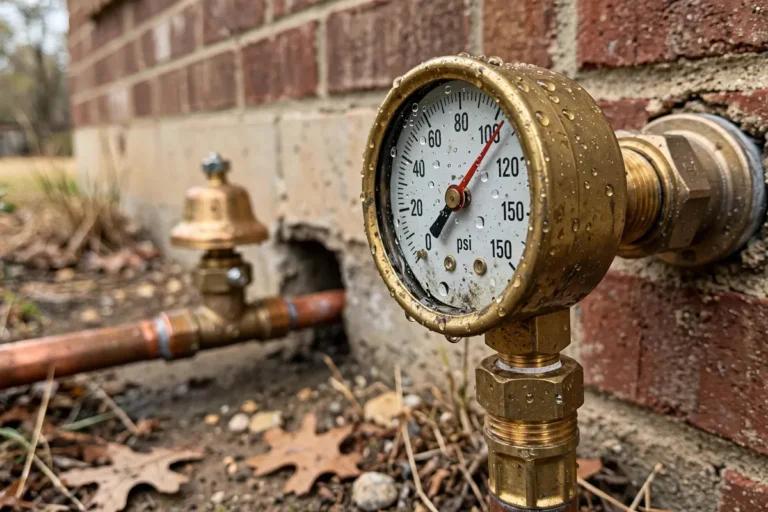
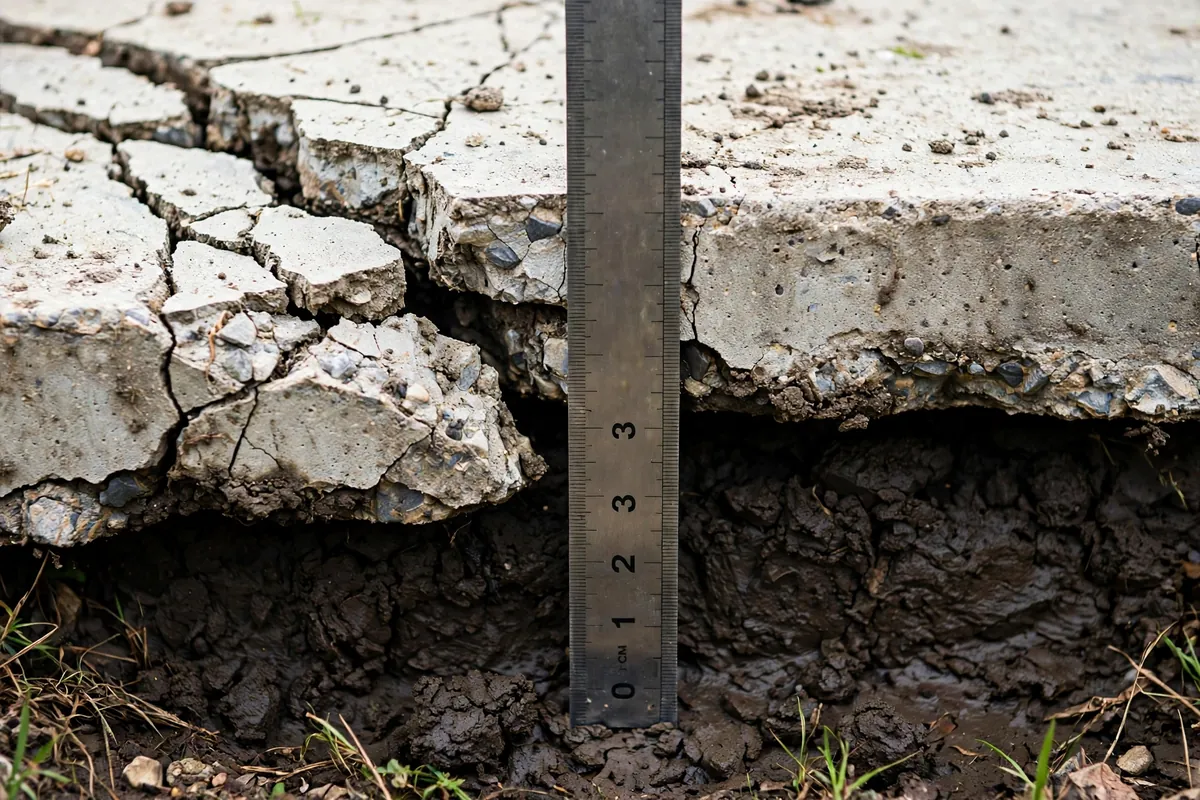
Here’s where it gets serious. A slab leak running for months washes out the soil under part of your slab. That section loses support and settles — or, paradoxically, the saturated clay swells and causes foundation heave, lifting one area while the rest stays put. Either way, you now have real foundation movement with a plumbing cause. The critical rule: the leak must be found and stopped before any foundation repair happens. Foundation companies know this — the honest ones will tell you to rule out a leak first. Hydrostatic pressure from a leak can also push water up through slab cracks, which looks like seepage but is actually a broken pressurized line. If water is coming up through your floor, treat it as a leak until proven otherwise.
How Professionals Tell the Difference
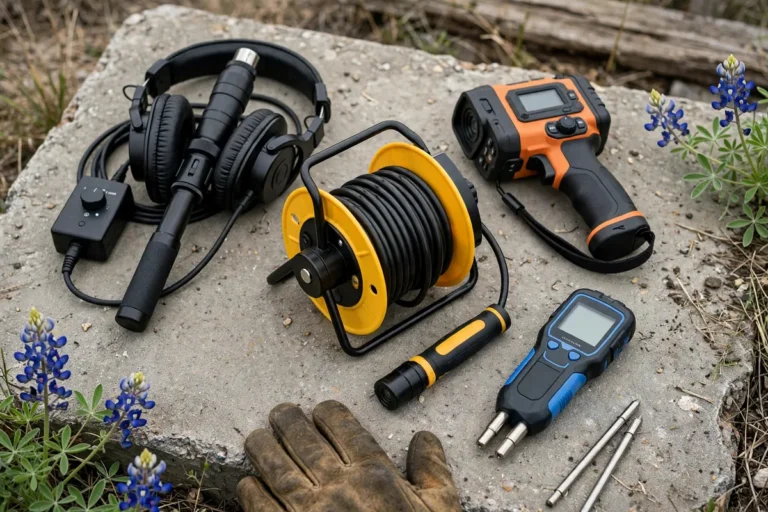
A foundation inspector measures elevation and maps crack patterns. A leak detection specialist runs a different playbook: the meter test, acoustic listening and thermal imaging, and moisture readings at the slab. The tests are complementary — and they should be done in this order: rule out the leak first, because a leak is cheaper to fix, gets worse faster, and undermines any foundation work done on top of it.
The Costly Mistake to Avoid
The most expensive error we see: a homeowner spends $8,000–$15,000 on foundation piers, and six months later the doors stick again — because a slab leak was still running underneath, still washing out soil. The reverse: paying for a slab opening to fix a “leak” that was seasonal clay movement. Both are avoidable with detection-first thinking. A $300–$600 detection (usually credited toward repair) answers the plumbing question definitively before you spend a dollar on foundation work. See real slab leak repair costs in Dallas to compare honestly.
Frequently Asked Questions
Can a slab leak really cause foundation damage?
Yes — this is well documented in DFW. A pressurized leak washes fine soil particles out from under the slab over weeks and months, removing support. The slab then settles unevenly, or saturated clay swells and causes heave. The foundation movement is real, but its cause is plumbing — which is why the leak has to be fixed before any foundation repair.
Should I call a foundation company or a leak detection specialist first?
A leak detection specialist, always — when water signs are present. Detection is faster, cheaper ($300–$600), and non-invasive, and it rules out the problem that gets worse daily. If detection finds no leak, then call the foundation company with confidence. If it finds a leak, fix it first, then reassess the foundation after the soil stabilizes.
My doors stick every summer and unstick in fall. Leak or foundation?
Almost certainly seasonal clay movement, not a leak — that’s the textbook DFW pattern of soil shrinking in drought and swelling with rain. A leak doesn’t follow the seasons; it runs constantly. If the sticking is year-round and getting worse, or paired with any water signs, get detection done.
Can I have both a slab leak AND a foundation problem?
Yes, and in DFW it’s not rare — especially in older homes where the leak caused the foundation movement, or where clay soil was already moving and a leak added fuel. The order of operations still holds: detect and repair the leak first, let the soil stabilize for a few months, then evaluate the foundation. Doing it backwards wastes the foundation money.
Will homeowners insurance cover foundation damage from a slab leak?
Usually not — foundation and earth movement are among the most restricted coverages in Texas policies, even when a leak caused the movement. The water damage from the leak itself is often covered, though. Our guide on Texas insurance and slab leaks breaks down the pipe-vs-damage split in detail.
Rule Out the Leak First — It’s the Cheaper Test
When your house sends mixed signals, start with the question that costs $300–$600 instead of the one that costs $10,000. DFW Slab Leak Pros connects you with licensed local specialists for same day leak detection in Dallas and 24/7 leak detection in Fort Worth — acoustic, thermal, and camera tools that tell you definitively whether water is moving under your slab, before you spend a dollar on foundation work.
📞 Call (888) 555-0199 — lines open 24/7.
Water Where It Shouldn’t Be? Don’t Wait.
Every hour a leak runs, the damage — and the repair bill — keeps growing.