Slab Leak Repair Cost in Dallas 2026: Detection, Reroute & Repipe Prices
Slab Leak Repair Cost in Dallas 2026: Detection, Reroute & Repipe Prices
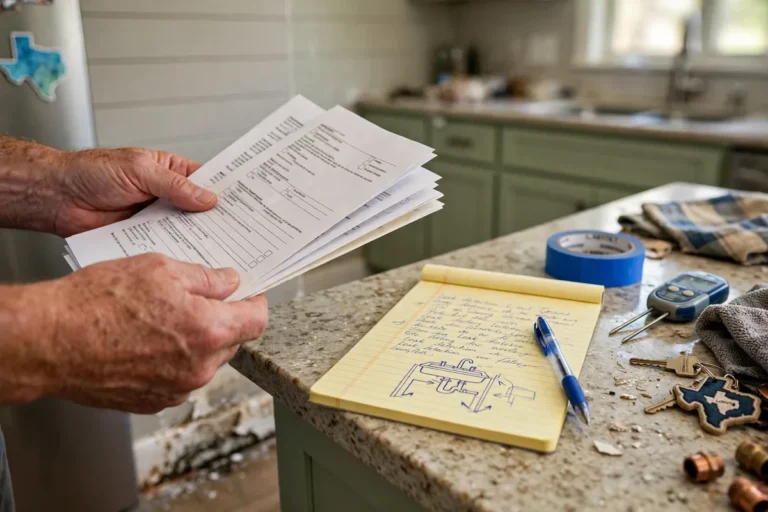
When a Dallas homeowner hears the words “slab leak,” the first fear is the floor — and the second is the bill. Let’s get the numbers on the table with zero fluff, because pricing clarity is exactly what separates an honest specialist from a scare-tactic salesman. These are the real 2026 DFW price bands, cross-checked against published flat-rate menus from Dallas specialists — not guesses.
Cost depends heavily on the repair method — compare spot repair vs. reroute vs. repipe, and check whether Texas homeowners insurance covers slab leaks before you pay out of pocket.
The Quick Answer
- Professional leak detection: $300–$600 (usually credited toward the repair if you proceed)
- Spot repair (open the slab, fix the pipe): $1,500–$6,000 depending on access and flooring
- Reroute (abandon the bad line, run new pipe through attic/walls): $2,500–$6,000
- Tunneling (dig under the slab from outside): $3,500–$8,000+, often ~$250/ft past the first 10 feet
- Whole-house repipe: $4,500–$15,000 depending on home size and material
Most DFW slab leak jobs land in the reroute range. It’s the industry standard — not because it’s the most profitable for the plumber, but because it’s the most reliable long-term fix. Read slab leak repair options explained for the full decision framework.
Leak Detection: $300–$600 (Usually Credited)
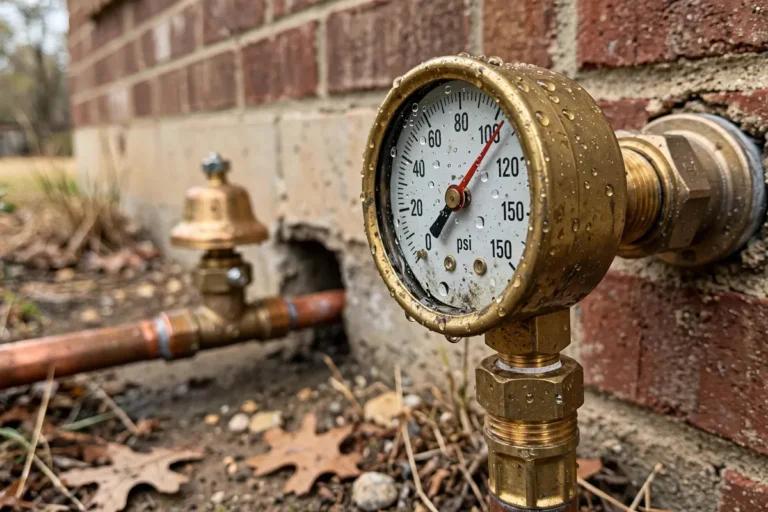
Detection is the non-invasive part: acoustic listening, thermal imaging, and camera inspection to pinpoint the leak with precision — no demolition, no guessing. DFW specialists publish detection from $300 up to $600 for complex cases, and most credit the full fee toward the repair if you hire them to do the work — making detection effectively free when you proceed. Anyone quoting you thousands for a “repair” without a precise location first is selling you a gamble, not a fix. Here’s exactly what happens during professional leak detection.
Spot Repair: $1,500–$6,000 (Cheapest, Riskiest)
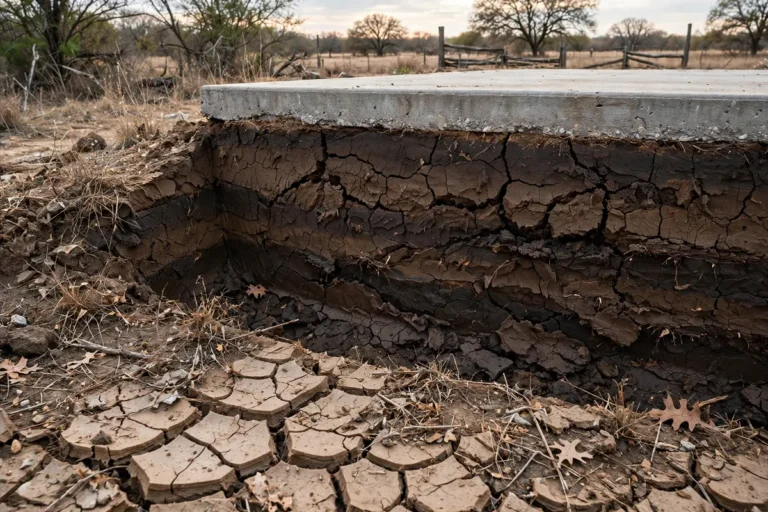
A spot repair means jackhammering through the slab at the leak’s exact location, cutting out the bad section of pipe, and splicing in new copper. It’s the cheapest option on paper — and the one most DFW specialists recommend against unless the home is nearly new with otherwise pristine plumbing. The conditions that caused one pinhole leak (aging 1960s–80s copper, hard water, reactive clay soil movement) are still in place for every other inch of that line. Fix one spot and the next leak is a matter of when, not if — and you pay for another slab opening each time. The wide band reflects flooring: a basic concrete patch is cheap; matching existing tile or hardwood is not.
Reroute: $2,500–$6,000 (The DFW Standard)
A reroute abandons the failed copper line under the slab and runs a brand-new line overhead — through the attic and down inside walls — to the fixtures it served. No jackhammering your foundation, no digging under your slab. The new line is typically PEX or new copper, insulated for attic heat, with a long warranty because the pipe is brand new and fully accessible.
What moves you inside that $2,500–$6,000 range: how many fixtures the line serves, attic accessibility, the distance of the new run, and whether walls need opening (and patching). A single bathroom reroute lands low; a line serving half the house lands higher.
Suspect a Leak? Get It Checked Before It Gets Worse.
Every day a leak runs, the damage — and the repair bill — keeps growing.
Tunneling: $3,500–$8,000+ (No Interior Demolition)
Tunneling digs horizontally under the slab from outside — your floors stay untouched, but expect 1–3 days of digging noise and yard disruption. DFW flat-rate menus commonly show ~$4,200 for the first 10 feet plus ~$250 per additional foot, with “beam clause” surcharges around $700 when the tunnel hits a grade beam. Best for leaks near the slab edge; not practical for deep-interior leaks, shallow rock, or high water tables. Always ask why tunneling was quoted instead of a (usually cheaper) reroute.
Whole-House Repipe: $4,500–$15,000 (The Permanent Fix)
If your home has 1960s–80s copper at failure age and you’ve had one slab leak already, a full repipe replaces everything: new PEX or copper throughout, routed through attic and walls, old slab lines abandoned. Smaller ranch homes land near the bottom of the band; larger two-stories with complex routing land higher. It’s the most expensive option and the only one that ends the leak cycle permanently. Why DFW homes are so prone to slab leaks explains why this age of pipe is failing now.
What Drives the Price Up or Down
- Pipe material: PEX reroutes cost less than copper; copper lasts longer but costs more.
- Access: A clear attic and open walls keep labor hours down. Vaulted ceilings and spray-foam insulation add hours.
- Flooring restoration: If the slab is opened, matching existing tile or hardwood adds real cost — one more reason reroutes are popular.
- Permits and inspections: Most DFW cities require a permit for reroutes and repipes; a licensed specialist handles this, and it’s baked into honest quotes.
- Emergency/after-hours: A 2 AM emergency call may carry an after-hours fee, but the repair itself prices the same.
Watch Out for These Red Flags
An honest quote in DFW should itemize detection, repair method, materials, permits, and restoration separately. Be wary of: quotes given over the phone without detection; pressure to sign today for a “discount”; a spot-repair quote on 40-year-old copper without mentioning reroute; and any price that seems dramatically lower than every other quote — that gap is usually missing permits, missing restoration, or missing insurance. Also confirm your quote includes what your homeowners insurance may cover, because the water damage portion of this job is often covered even when the pipe repair isn’t.
Frequently Asked Questions
Is the detection fee really credited toward the repair?
With most reputable DFW specialists, yes — if you hire them to do the repair, the detection fee ($300–$600) comes off the repair bill. Always confirm this before the appointment, and get it in writing. If a company charges for detection and won’t credit it, that’s a sign to get a second quote.
Why is a reroute cheaper than a full repipe but more expensive than a spot repair?
It sits in the middle because it solves the problem properly without replacing everything. A spot repair is cheap but temporary on old pipe; a repipe is permanent but replaces lines that may be fine. A reroute replaces the failed section with brand-new accessible pipe — the best value for most single-leak situations.
Does the price include fixing my floors and walls?
It should be itemized. Wall patches from a reroute are usually included or quoted as a line item; slab restoration and flooring matching for a spot repair must be quoted explicitly. Never assume restoration is included — ask, and get it in writing before work starts.
Will my homeowners insurance pay for any of this?
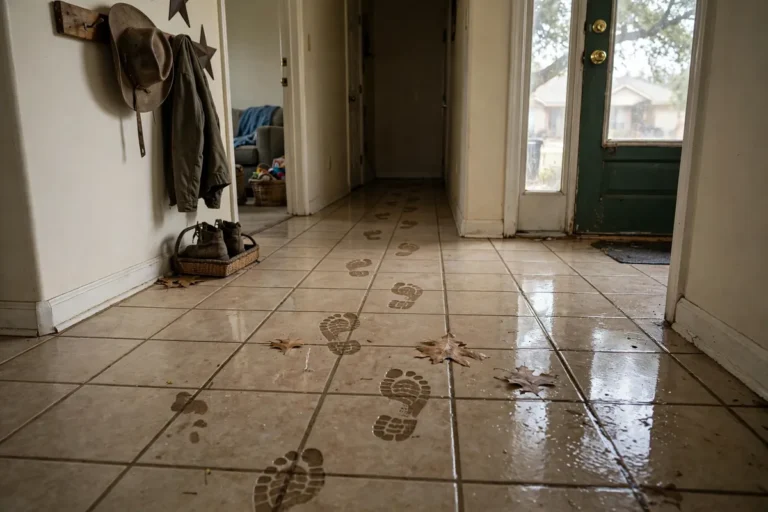
Often, partially. In Texas, the pipe repair itself is usually not covered (wear and tear), but the sudden water damage it caused — ruined flooring, drywall, mold remediation — frequently is. Our guide on Texas homeowners insurance and slab leaks walks through exactly what to document and how to file.
Can I get an exact price without someone coming out?
No — and anyone who gives you one is guessing. The repair method, access, and extent of damage all have to be seen in person after detection. What you can get is a firm quote after detection, which is why detection-first companies are the trustworthy ones.
Get a Firm, Itemized Quote — Not a Guess
The worst pricing mistake is waiting: the leak keeps running, the damage keeps spreading, and the repair bill stays the same while the restoration bill grows. Get detection done, get an itemized quote, and compare apples to apples. DFW Slab Leak Pros connects you with licensed local specialists across Dallas, Fort Worth, Plano, Frisco, and the entire Metroplex for same day leak detection in Dallas and after hours leak detection anywhere in DFW.
📞 Call (888) 555-0199 — detection $300–$600, credited toward your repair.
Water Where It Shouldn’t Be? Don’t Wait.
Every hour a leak runs, the damage — and the repair bill — keeps growing.