
Serving McKinney, Texas
Leak Detection in McKinney, TX
McKinney is two cities in one: a historic core with aging original plumbing, and some of the fastest new growth in the country — and both sit on the same expansive clay that runs across all of Collin County. The historic homes have 20th-century copper and galvanized lines at end of life; the newer subdivisions have boom-era plumbing riding on Blackland Prairie clay that swells up to 30% and moves slabs inches per season. Different eras, same enemy underground.
McKinney homeowners get our full slab leak detection service — and just south, see our Frisco leak detection page.
McKinney · historic copper/galvanized + new-build PEX · risk varies by era
DFW Slab Leak Pros connects McKinney homeowners with licensed local leak detection specialists who know both sides of this city — the historic core’s aging lines and the new growth’s clay-driven failures — and pinpoint hidden leaks with acoustic listening and thermal imaging.
Request Your Free Leak Assessment
Licensed DFW leak-detection specialists. Same-day appointments across Dallas-Fort Worth. Detection fee credited in full toward your repair.
Prefer to talk right now? (888) 555-0199 — 24/7 emergency line
Two McKinney Eras, One Underground Problem
McKinney’s split personality shows up in its plumbing:
The pipes under McKinney homes
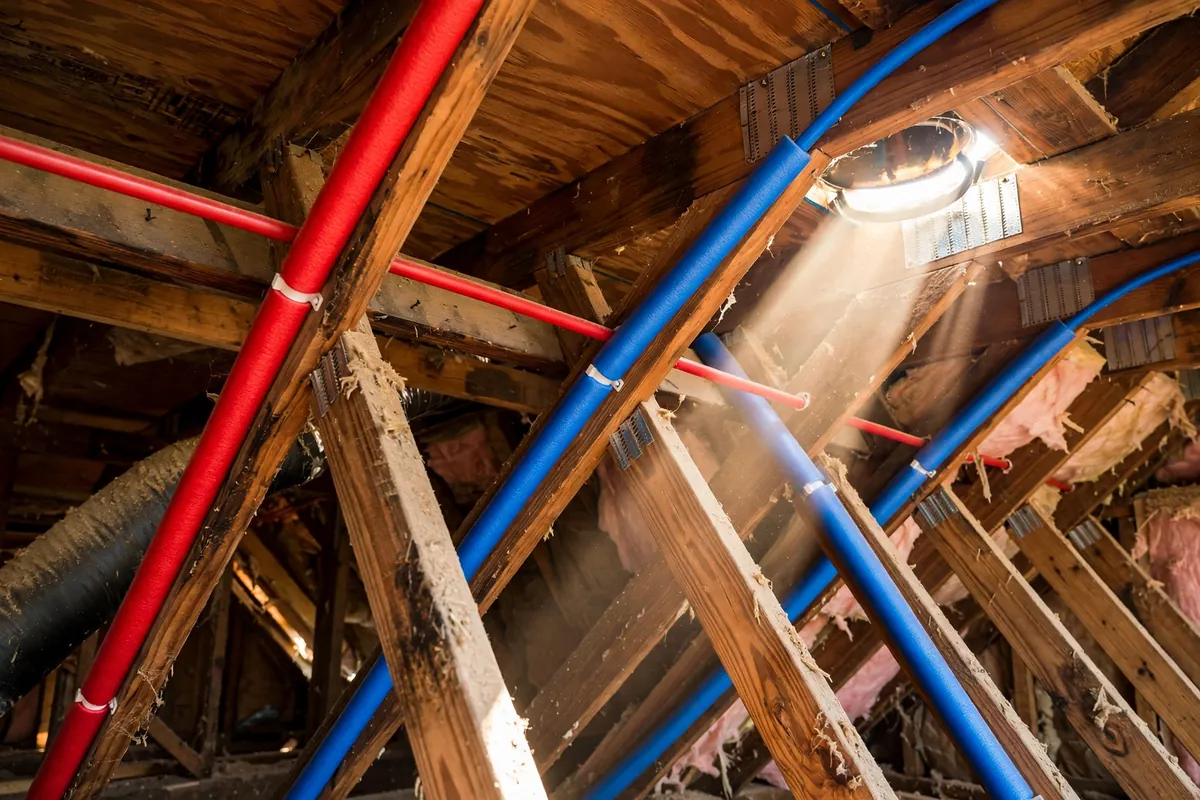
Two eras, two pipe stories. The historic core still runs original copper and galvanized supply lines — galvanized corrodes from the inside out; old copper is fatigued by decades of soil movement. The 1960s–80s under-slab copper in the surrounding older subdivisions is the danger era: thermal expansion abrades copper against concrete every hot-water cycle. Newer subdivisions run PEX, which rarely leaks — but they sit on the same expansive Collin County clay, and their irrigation and service lines fail far more often than anything under the slab.
Whether your McKinney home is 1920s or 2015, the ground underneath it is doing the same thing to your pipes.
Signs of a Slab Leak in McKinney Homes
- Unexplained bill increases. In newer homes blamed on irrigation; in older homes on “old plumbing.” Verify with the meter test instead of guessing.
- Warm spots on floors. A hot-water line leaking under the slab heats the concrete above it — the single most reliable slab leak symptom.
- Water sounds, everything off. A hiss near bathrooms or the water heater means pressurized water is escaping.
- Cracks in drywall or tile. Saturated clay heaves the slab; eroded clay lets it settle. Both crack the house.
- Musty or mildew odors. Persistent water intrusion under the slab creates mold risk.
- Water coming up through the floor. Not a warning sign — a failure in progress. Shut the main valve and call immediately.
If any of these sound familiar, call (888) 555-0199 — we’ll connect you with a licensed McKinney leak detection specialist for same-day service.
Slab leak or irrigation leak? How McKinney homeowners tell
McKinney’s newer subdivisions all have sprinklers, so spiking bills get blamed on irrigation by default. Isolate instead: shut the irrigation controller off, then watch the meter. Still running with irrigation OFF? The leak is in the house system or service line — it’s the slab, not the sprinklers. Warm floor spots and water sounds with everything off are never irrigation. Zone pressure testing settles it definitively.
How Licensed Specialists Find McKinney Leaks
Specialists work non-destructively: acoustic listening detects the hiss of escaping water through concrete, thermal imaging reveals warm and cool anomalies through the slab, zone pressure testing proves which run is failing, and hydrostatic testing covers suspected drain-side leaks.
Full professional detection in McKinney runs $300–$600, typically credited toward repair. On expansive clay, that fee is the cheapest insurance against turning a plumbing repair into a foundation project.
What Repairs Cost in McKinney
The industry standard for a failed under-slab line is abandon-and-reroute: leave the dead pipe buried and run a new line through walls or the attic ($3,000–$6,000 per line). In-slab patching is not recommended — the surrounding pipe is the same age, and disturbing a slab on active clay invites new problems.
For historic-core homes with original galvanized or copper throughout, the honest conversation is often a full repipe ($12,000–$25,000) rather than chasing sequential failures. In newer subdivisions, a single reroute usually resolves it — but have the pressure checked, since high incoming pressure accelerates every failure mode.
Historic Home or New Build — Get a Definitive Diagnosis
McKinney’s two eras fail differently but leak the same way: silently, under the slab, until the bill climbs or the floor warms. Don’t wait for foundation symptoms. Call (888) 555-0199 now for same day leak detection in McKinney.
Also serving nearby: Leak Detection in Frisco, TX, Leak Detection in Allen, TX, Leak Detection in Plano, TX, Leak Detection in Richardson, TX, and Leak Detection in Dallas, TX. Related services: Slab Leak Detection, Emergency Leak Repair.
Frequently Asked Questions
Do newer McKinney homes get slab leaks too?
Yes. Newer subdivisions sit on the same expansive Blackland clay as the rest of Collin County — it swells up to 30% and moves slabs seasonally regardless of the home’s age. Fast-build construction defects plus a decade of soil movement cause slab leaks in newer homes, while the historic core deals with end-of-life original plumbing.
Are slab leaks common in McKinney?
It depends on the era. The historic core’s original copper and galvanized lines are at end of life, and the 1960s–80s under-slab copper nearby is the danger era — both leak regularly. Newer PEX subdivisions rarely get true slab leaks; what they get is irrigation and service-line leaks mistaken for them.
My water bill spiked but nothing is visibly leaking — slab leak or irrigation?
Shut the irrigation controller completely off and watch the meter. Still running? It’s the house system or service line — not the sprinklers. Warm floor spots, water sounds with everything off, or water coming up through the floor confirm a slab leak. Zone pressure testing settles it definitively.
How much does leak detection cost in McKinney?
Typically $300–$600 for the full diagnostic visit — acoustic listening, thermal imaging, and zone pressure testing — with most straightforward homes near the lower end. Most companies credit the fee toward repair.
My McKinney home has galvanized pipes — is that worse than copper?
Galvanized steel corrodes from the inside out, narrowing the pipe and weakening walls until it pinholes or bursts — generally a shorter service life than copper. If your historic-core home still has original galvanized supply lines, a full repipe is usually the right conversation rather than piecemeal repairs.
What does a slab leak reroute cost?
Typically $3,000–$6,000 per line: abandon the failed under-slab pipe and run a new line through walls or the attic. Full whole-home repipes run $12,000–$25,000 depending on home size and material.
Can I just patch the pipe under the slab?
It’s not recommended. The industry standard is abandon-and-reroute because the pipe adjacent to the patch is the same age and condition — it fails next. Breaking through the slab also disturbs concrete sitting on active expansive clay.
Does homeowner’s insurance cover slab leaks in Texas?
Usually the resulting water damage from a sudden leak is covered, but the pipe repair itself typically is not. Policies vary — review yours, and ask your specialist for photos and a written report to support any claim. The EPA’s moisture and mold guidance is a useful reference for documenting water intrusion: epa.gov.
Water Where It Shouldn’t Be? Don’t Wait.
Every hour a leak runs, the damage — and the repair bill — keeps growing.
When the Water Company Tips You Off in McKinney
Here is how most McKinney leak calls actually start: the City of McKinney’s water department notices abnormal usage on your meter and sends a high-bill notice or leak alert — sometimes weeks before you see a damp spot or hear running water. Do not ignore it. A slab or supply-line leak can waste thousands of gallons a month, and in McKinney’s expansive clay soil, that water does foundation damage while it runs. Shut everything off and check your meter: if the dial moves with zero water use, call (888) 555-0199 for same-day leak detection in McKinney.