Does Homeowners Insurance Cover Slab Leaks in Texas?
Does Homeowners Insurance Cover Slab Leaks in Texas?
This is the question every Texas homeowner asks right after “how much will this cost” — and the answer is split: the pipe repair is usually NOT covered, but the water damage it caused often IS. Understanding that split is the difference between getting thousands back and getting denied. Here’s the full Texas playbook: what’s covered, what to document, the deductible math, and what gets claims denied.
Coverage often hinges on documentation — see what slab leak repair actually costs in Dallas so you know the stakes, and how professional detection creates the paper trail insurers want.
The Core Rule: Pipe vs. Damage
Standard Texas homeowners policies (HO-A, HO-B) draw a hard line:
- Repairing the broken pipe itself — generally NOT covered. Insurers classify pipe failure as wear and tear, corrosion, or deterioration, which are standard exclusions. A 40-year-old copper line developing a pinhole leak is, in the insurer’s eyes, maintenance the homeowner is responsible for.
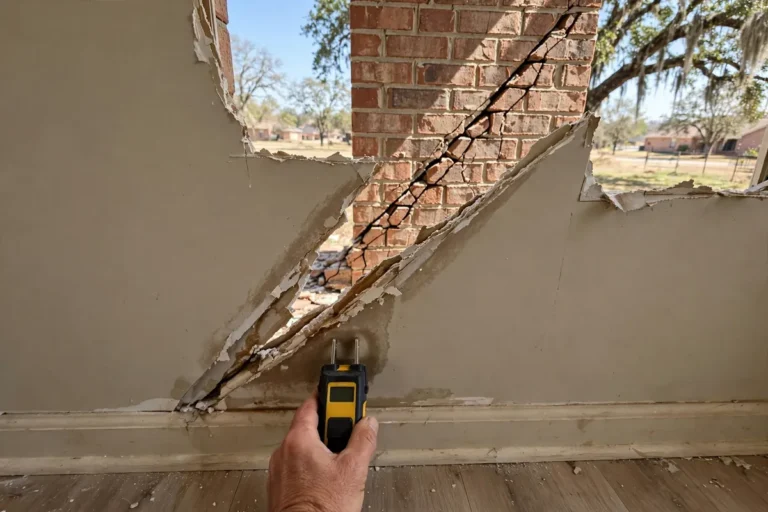
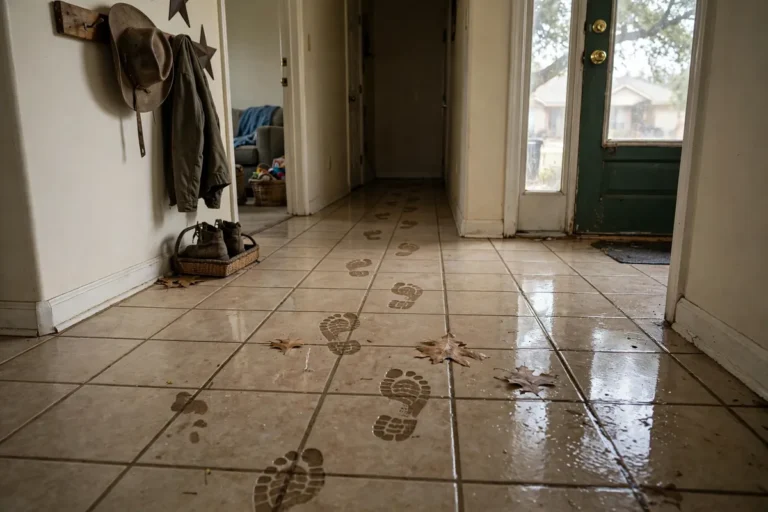
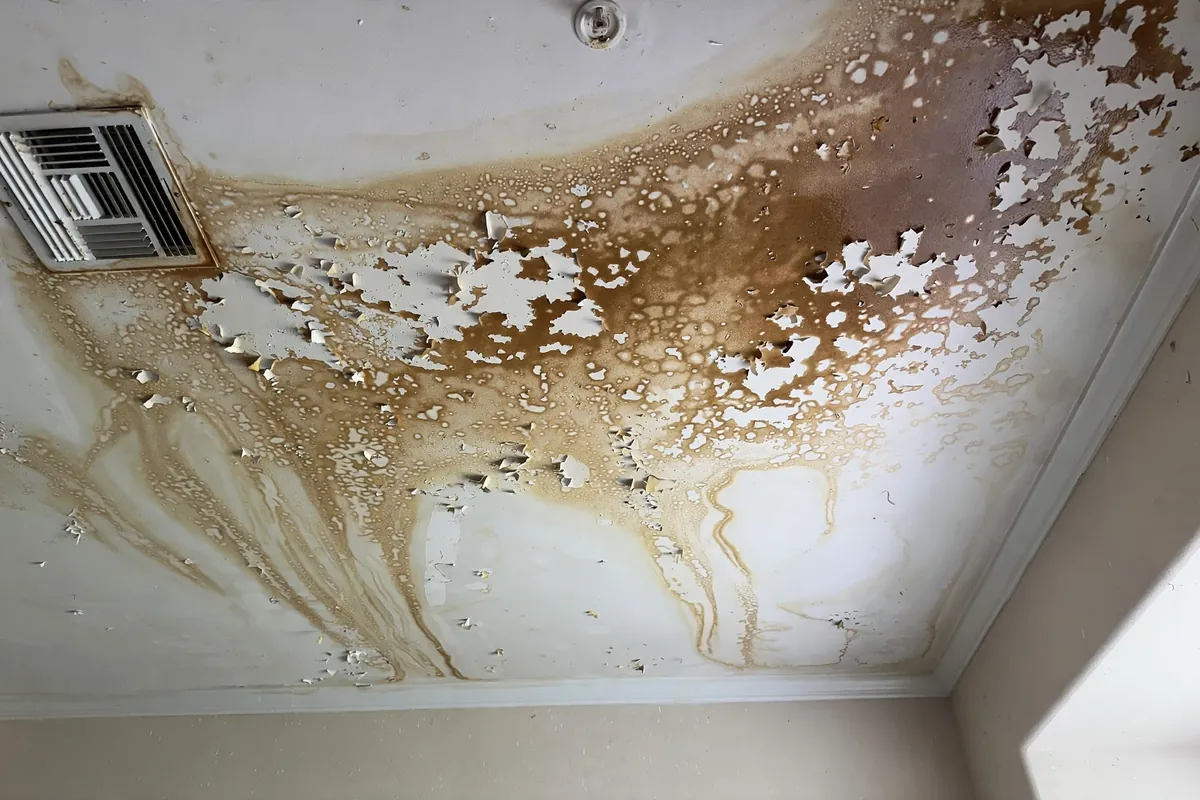
- Sudden, accidental water damage caused by the leak — often IS covered. The ruined hardwood, the soaked drywall, the mold remediation, the cost to access the pipe (like tearing up flooring) — these are the “resulting damages” of a sudden event, and most Texas policies cover them.
So if a slab leak costs $4,000 to reroute and causes $8,000 in flooring and drywall damage, the insurer may pay the $8,000 but not the $4,000. That’s still a massive difference — but only if you document and file correctly.
Sudden vs. Gradual: The Word That Decides Your Claim
Texas insurers love the word “gradual.” Gradual water damage — a leak that ran for months while the homeowner “should have noticed” — is routinely denied. Sudden and accidental discharge is covered. Your documentation decides which bucket you land in:
- Detection report from a licensed specialist — leak location, cause, and recommended repair. This carries the most weight with adjusters.
- Dated photos of every wet spot, stain, warped plank, and crack, taken the day of discovery.
- Water bills showing the usage spike — establishes your timeline.
- Written repair scope separating pipe repair from damage restoration (covered vs. non-covered line items).
- Mitigation receipts — water extraction, fans, dehumidifiers.
Collect all of this before repairs begin, and keep copies in the cloud. For official consumer guidance, the Texas Department of Insurance publishes plain-language help on water damage claims and your rights as a policyholder.
Suspect a Leak? Get It Checked Before It Gets Worse.
Every day a leak runs, the damage — and the repair bill — keeps growing.
What About “Tear-Out” Coverage?
Many Texas policies cover the cost of tearing out and replacing parts of the building to access the damaged pipe — even though the pipe repair itself isn’t covered. Jackhammering a slab section to reach the leak, then restoring concrete and flooring: frequently covered, frequently misunderstood, and where homeowners leave the most money on the table. Ask your adjuster specifically about “tear-out” or “access” coverage, and get the answer in writing.
Mold: Covered, But Capped
Mold remediation from a covered water event is typically covered in Texas — but most policies cap it around $5,000 unless you bought additional mold coverage. Slab-leak mold inside wall cavities can easily exceed that, so check your mold sublimit before you file.
Foundation Damage: Usually a Separate Fight
If the leak caused foundation movement, expect pushback — foundation and earth movement are heavily restricted in Texas policies, even when a leak caused them. This is why distinguishing a slab leak from a foundation problem matters: the leak’s water damage is claimable; the foundation shift may not be. Document both, claim what’s claimable, and don’t let an adjuster lump them into one denial.
The Deductible Math: Should You Even File?
Run the numbers before you call your insurer. Add up only the covered portions — resulting water damage, tear-out/access, mold remediation up to your sublimit — and subtract your deductible (in Texas, commonly 1–2% of dwelling coverage, so $3,000–$6,000 on a $300k home). Example: $9,000 in covered damage minus a $4,000 deductible = $5,000 back. Worth filing. But $5,000 in covered damage against a $4,000 deductible = $1,000 back and a claim on your record, which can raise premiums for years. When the payout barely clears the deductible, paying out of pocket is often smarter. See real DFW slab leak repair costs for the numbers behind an itemized estimate.
Denial Triggers: What Gets Claims Rejected
Texas adjusters deny slab leak claims for a handful of predictable reasons. Know them so you can preempt them:
- “Long-term” / gradual leak exclusion. The number-one denial. Counter with your timeline: water bills showing when the spike started, dated discovery photos, and a detection report describing a sudden failure.
- Wear-and-tear on the pipe itself. Legitimate — but it applies to the pipe repair, not the resulting damage. Don’t let an adjuster use it to deny the whole claim.
- Failure to mitigate. Discover water and wait weeks to act, and the insurer can deny the worsened portion. Shut off the main, document, call promptly.
- Pre-existing damage. Old stains give adjusters an opening. Dated photos proving the damage is new shut this down.
If denied, appeal in writing with your documentation — many first denials reverse when the evidence is organized. For large denials, a public adjuster working on contingency knows Texas insurer practices.
How to File a Slab Leak Claim in Texas (Step by Step)
- Mitigate first. Shut off the water, document everything, arrange emergency detection. Waiting is grounds for denial. (Not sure you have a leak? Run through the 7 signs of a slab leak first.)
- Report promptly as “sudden water damage from a plumbing leak.” Use those words.
- Get the detection report — location, cause, recommended repair — from professional leak detection.
- Meet the adjuster organized: photos, bills, detection report, written scope, mitigation receipts. Walk the timeline.
- Appeal denials in writing. Many first denials reverse when the documentation is solid.
For the official word on Texas policies, the Texas Department of Insurance publishes consumer guides on what homeowners policies typically cover — and what they exclude.
Frequently Asked Questions
My plumber says the pipe repair isn’t covered. Is that always true in Texas?
In the vast majority of standard Texas policies, yes — pipe failure from wear, tear, or corrosion is excluded. The exception is pipe damaged by a covered peril (like a freeze event). But the resulting water damage is frequently covered, and that’s usually the larger number.
The leak ran for months before I noticed. Will they deny it as “gradual”?
They may try — it’s the most common denial reason. Your defense: water bills showing when the spike started, dated discovery photos, and a detection report describing a sudden failure. File anyway, document everything, and appeal with your evidence.
Should I file a claim or pay out of pocket?
If the covered damage exceeds your deductible by a meaningful margin, file. If it’s close to the deductible, consider paying out of pocket — a water-damage claim on your record can raise premiums for years. Get the itemized estimate first, then do the math.
Does filing a slab leak claim raise my premiums?
It can. Texas insurers track claims history, and water damage claims are among the most common. Another reason to run the deductible math first — if the payout barely clears your deductible, the long-term premium cost may outweigh it.
What if my claim is denied?
Appeal in writing with your documentation, request a reinspection, and if needed file a complaint with the Texas Department of Insurance. For large denials, a public adjuster working on contingency is worth considering.
Document First, Then Call
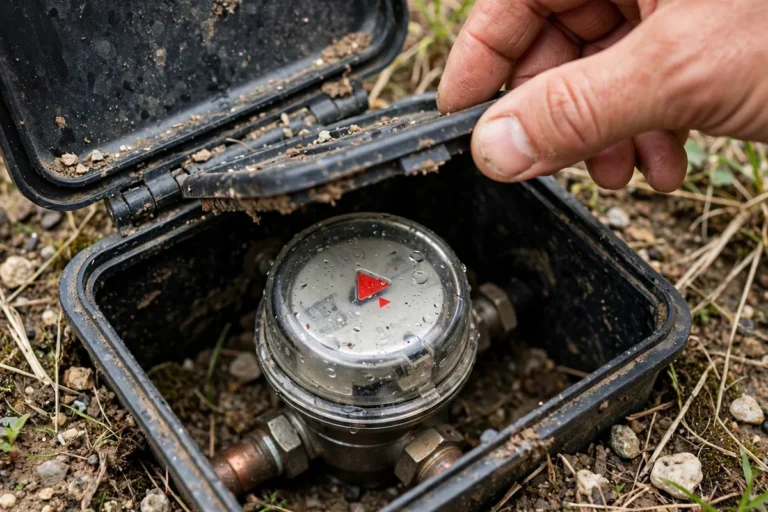
The homeowners who get paid treated the first 30 minutes like evidence collection: photos, meter readings, water bills, and a licensed specialist’s written report. DFW Slab Leak Pros connects you with licensed local specialists who provide exactly that documentation — detection reports adjusters respect — across Dallas, Fort Worth, and the entire Metroplex, 24/7.
📞 Call (888) 555-0199 — get your leak located and documented today.
Water Where It Shouldn’t Be? Don’t Wait.
Every hour a leak runs, the damage — and the repair bill — keeps growing.