
7 Signs You Have a Slab Leak (And What to Do in the Next 30 Minutes)
7 Signs You Have a Slab Leak (And What to Do in the Next 30 Minutes)
A slab leak is not like a dripping faucet you can put off until the weekend. It’s a pressurized water line broken under your home’s concrete foundation, and every hour it runs, it’s washing out soil, eroding the slab’s support, and soaking everything it touches. In Dallas-Fort Worth, the story is always the same: “I noticed something weeks ago, but I didn’t think it was serious.” Here are the seven signs, and exactly what to do in the next 30 minutes if you spot them.
Seeing more than one of these signs? Read what to do when water comes up through your floor for your immediate action plan — then learn how professional slab leak detection confirms the exact location.
⚠️ What to Do RIGHT NOW (Next 30 Minutes)
If you see any of these signs, act before you finish reading:
- Shut off your main water valve. Usually in the garage wall, a utility closet, or the meter box at the curb. Turn fully clockwise — this stops the leak cold.
- Kill power to your water heater (breaker off, or gas to pilot) so it doesn’t burn out on an empty tank.
- Take dated photos of every wet spot, stain, and crack, plus the meter reading. Your insurance claim depends on this.
- Call (888) 555-0199 now. DFW Slab Leak Pros connects you with licensed local specialists offering emergency slab leak detection in Dallas and Fort Worth — 24/7. The call takes two minutes; waiting takes weeks off your home’s lifespan.
1. Your Water Bill Spiked — and Nothing Changed
This is the number one way slab leaks get discovered in DFW. Your usage didn’t change, nobody filled a pool, and the bill jumps 30, 50, even 100 percent. A pinhole leak in a half-inch copper line under your slab can waste hundreds of gallons a day without a single drop showing on the surface. If your bill looks wrong, don’t just pay it — run the 30-minute meter test to confirm a leak before you call.
2. You Hear Water Running When Everything Is Off
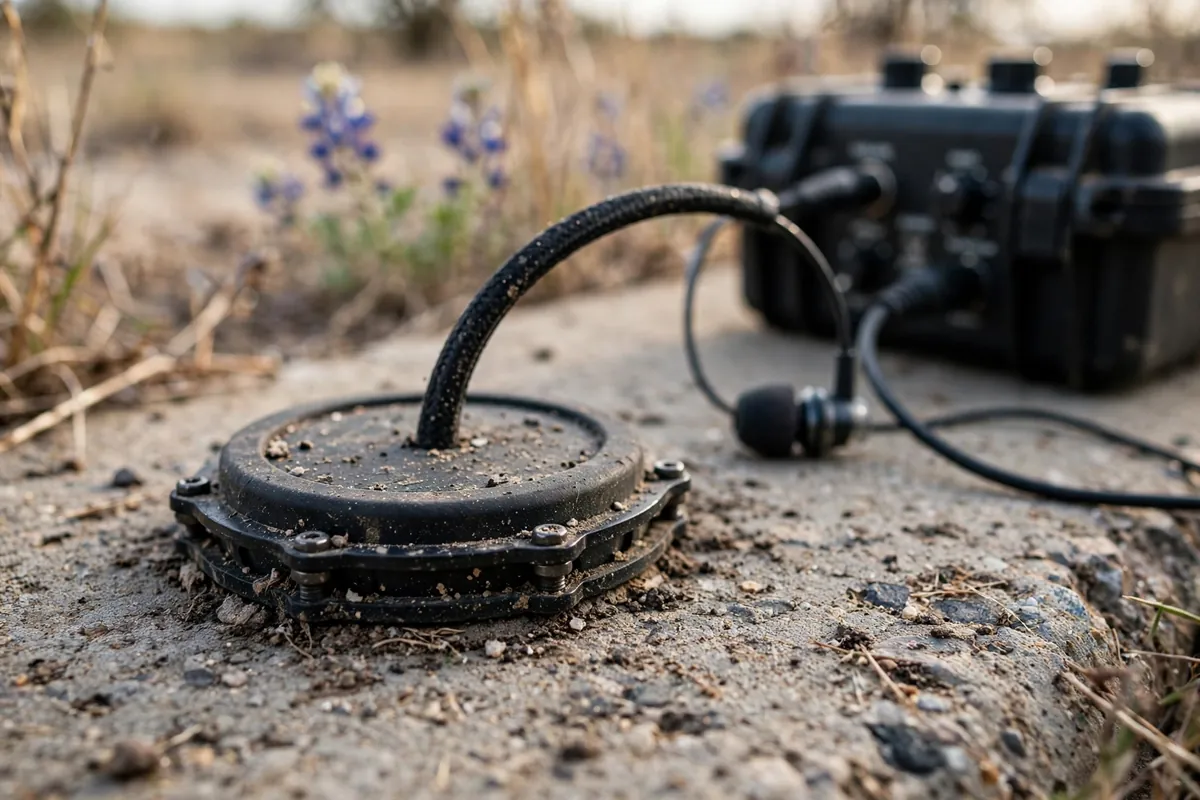
Stand in your hallway at night when the house is quiet. Turn off every faucet, the dishwasher, the ice maker, the washing machine. Now listen at the floor. If you hear a faint hissing or running-water sound under the slab, that’s pressurized water escaping through a broken pipe. Professional leak detection works on this exact principle — your ears are a crude version of the technician’s equipment. If you can hear it, the leak is significant.
3. Hot Spots on the Floor
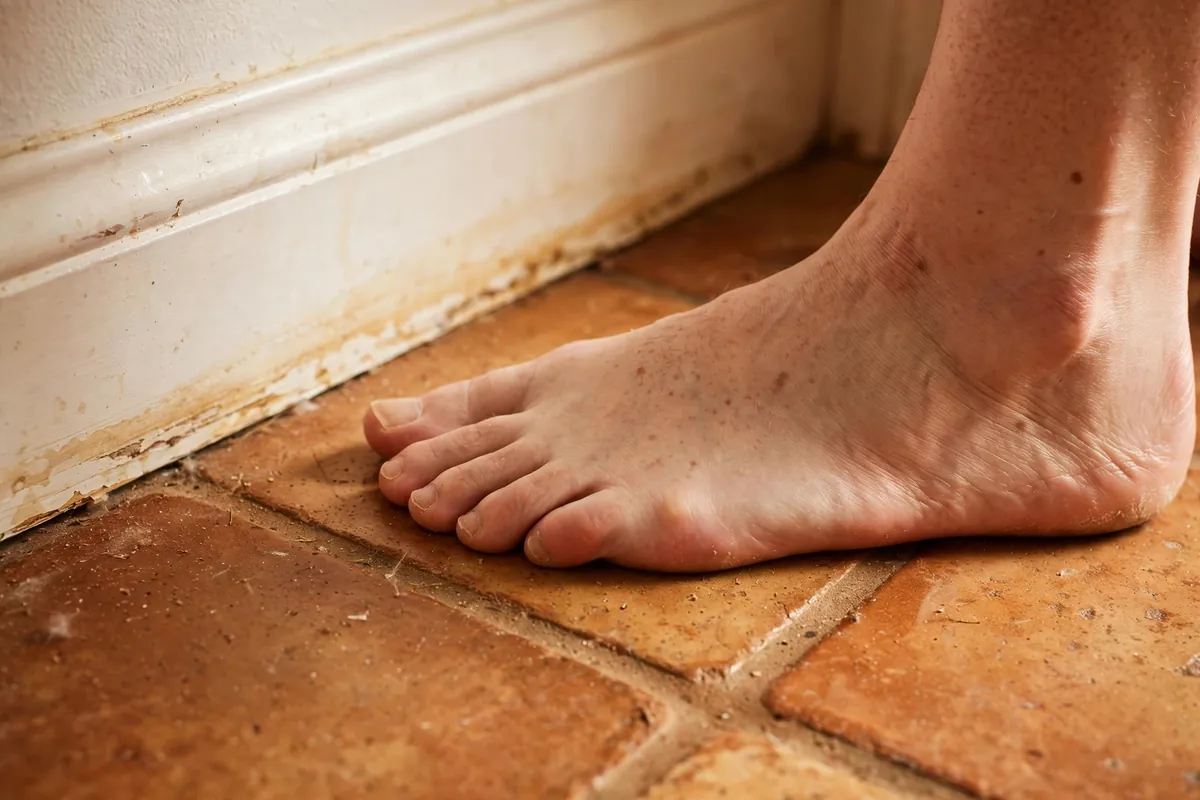
Walk barefoot across tile or hardwood. A spot that feels noticeably warm — especially near a bathroom — is a classic hot-water slab leak sign. Escaping hot water heats the concrete and flooring above it. A hot line leaking 24/7 also sends your gas or electric bill climbing alongside the water bill.
4. Damp, Wet, or Warped Flooring
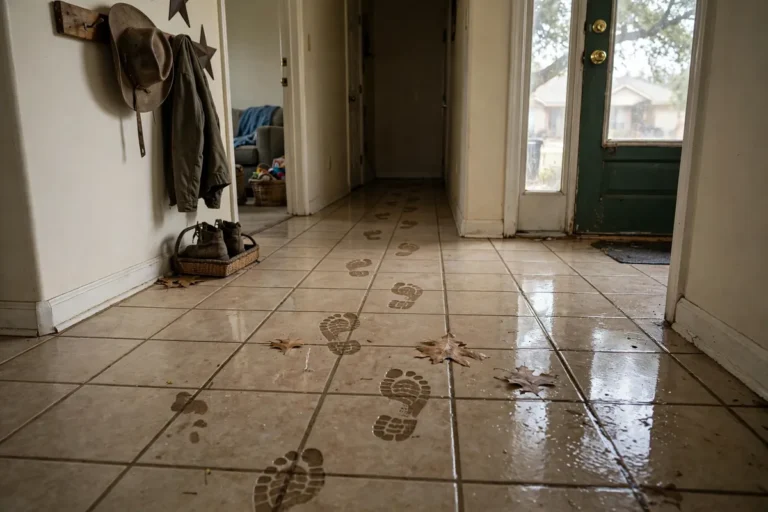
Water wicks through concrete, under grout, into laminate seams, along carpet edges. Watch for dark grout lines that never dry, cupping wood planks, or carpet damp in one corner. By the time water intrusion is visible, it’s been running a while — and mold risk climbs fast from here.
Suspect a Leak? Get It Checked Before It Gets Worse.
Every day a leak runs, the damage — and the repair bill — keeps growing.
5. Cracks in Walls or Floors — Especially New Ones
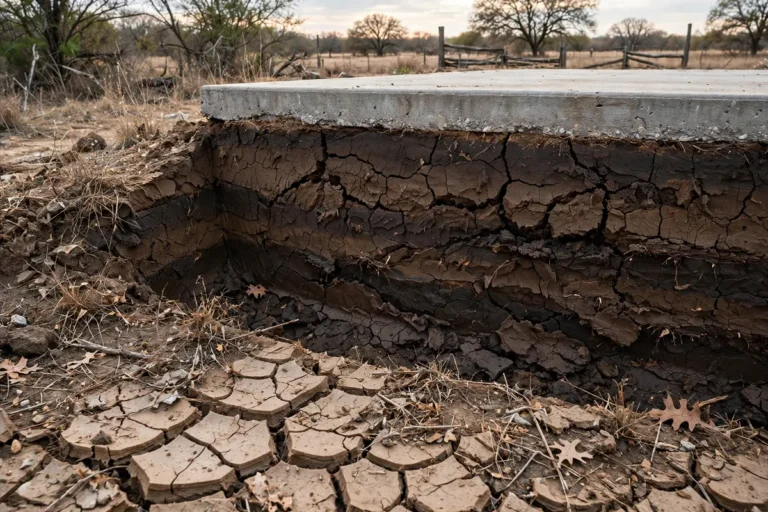
A fresh diagonal crack in drywall, tile that suddenly cracks across a room, or a widening slab crack can mean leaking water is washing out the soil your foundation sits on. DFW’s Blackland Prairie clay is brutal — it swells up to 30 percent when wet and shrinks when dry, moving inches every season. A slab leak accelerates that cycle under one part of your house, and the result looks exactly like a foundation problem. Sometimes it becomes one. Either way, the water has to be found and stopped first.
6. Mildew, Musty Smells, or Visible Mold
Your nose knows before your eyes do. A persistent musty smell — especially near baseboards or in rooms above the slab — is the signature of trapped moisture feeding mold. Slab leaks create the perfect mold environment: constant moisture, no airflow, warm Texas soil. If mold shows up where there’s no plumbing above it, the moisture is coming from below. This is the sign people ignore longest, and the one that turns a $3,000 plumbing job into a $15,000 mold-and-flooring nightmare.
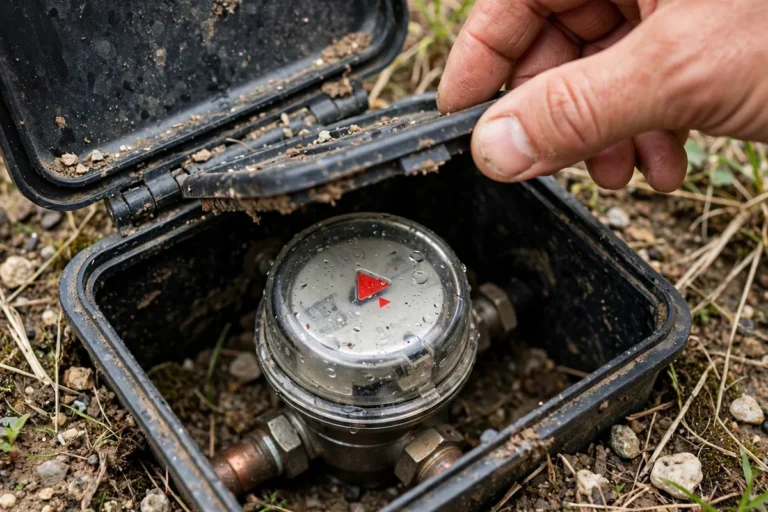
7. Your Water Meter Is Spinning With Everything Off
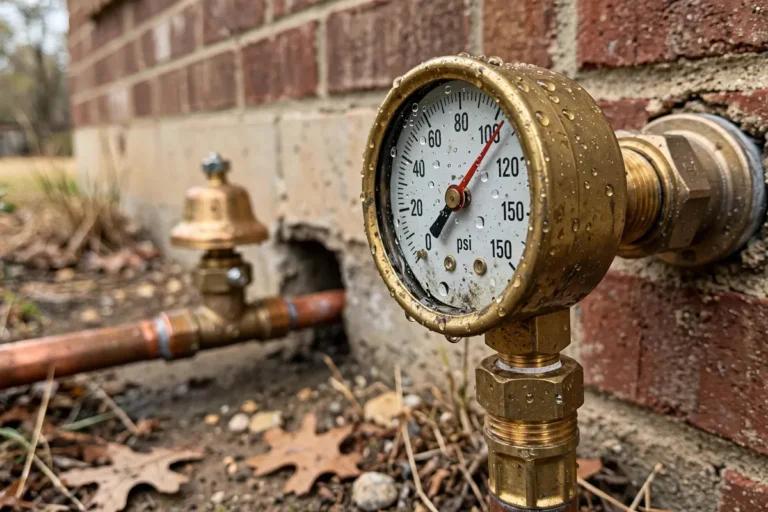
The definitive test. Shut off everything, go to the curb meter, and watch the dial. If it’s moving — even slowly — water is leaving your system through a break you can’t see. Full walkthrough: the 10-minute meter test.
What NOT to Do
- Don’t wait to “see if it gets worse.” It always gets worse. A pinhole leak doesn’t heal.
- Don’t start breaking concrete yourself. You won’t find the leak by guessing, and you’ll turn a precise repair into a jackhammered mess.
- Don’t assume it’s just “the house settling.” DFW homes settle — but settling plus water means the leak is doing structural work you can’t afford.
What Happens If You Wait
We’ve seen what “a few months” costs: eroded soil causing foundation heave, hardwood ruined across entire rooms, mold inside wall cavities, water bills in the hundreds. The repair itself doesn’t get cheaper with time — the leak still needs detection and repair no matter when you call. The only variable is how much collateral damage you pay for.
The EPA’s Fix a Leak Week resources show how much water a single household leak can waste — often the first clue is the bill, not the floor.
Frequently Asked Questions
Can I live with a slab leak for a while, or is it urgent?
It’s urgent. Pressurized water runs 24/7 under your foundation — eroding soil, risking foundation heave, feeding mold, running up your bill. There is no “stable” slab leak; pinholes grow. Shut off your water and call for detection the same day.
Will shutting off my main water valve stop the damage?
It stops new damage immediately — that’s why it’s step one. It doesn’t undo water already under the slab, but it turns a growing disaster into a contained one, and it costs nothing.
Do they have to tear up my whole floor to find the leak?
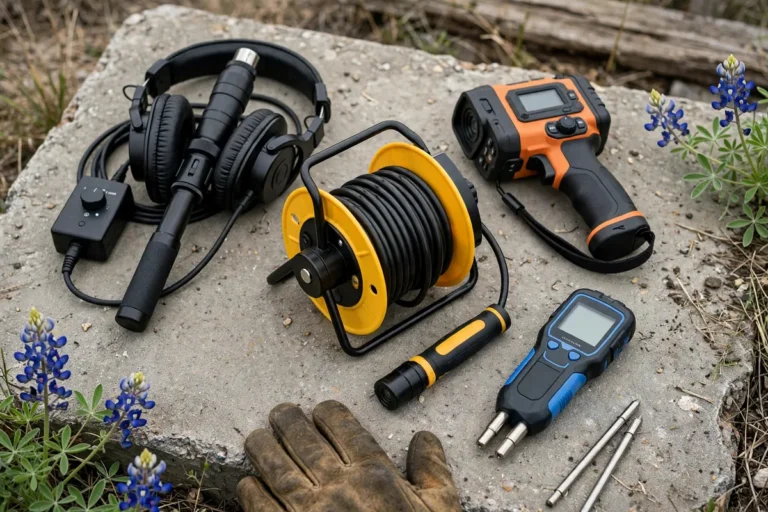
No. Acoustic listening, thermal imaging, and camera tools pinpoint the leak with precision — no guesswork, no random demolition. Usually one small opening, or no opening at all with a reroute. See how professional leak detection works.
How fast does a slab leak get worse?
Faster than expected. A pinhole can become a significant break in weeks; soil washout can go from cosmetic to structural in months. Waiting never saves money.
Can a slab leak fix itself or stop on its own?
Never. Mineral buildup can briefly slow a tiny pinhole — then it reopens larger. A symptom that disappears on its own is a warning, not a resolution. Get it checked.
Don’t Guess — Get It Located Today
You now know the seven signs and what to do in the next 30 minutes. The next step isn’t a jackhammer — it’s a precise, non-invasive detection that tells you exactly where the leak is and what it will cost to fix. DFW Slab Leak Pros connects you with licensed local specialists for same day leak detection in Dallas, 24/7 leak detection in Fort Worth, and everywhere across the Metroplex. Detection runs $300–$600 and is usually credited toward the repair.
📞 Call (888) 555-0199 now — lines are open 24/7.
Water Where It Shouldn’t Be? Don’t Wait.
Every hour a leak runs, the damage — and the repair bill — keeps growing.
One Comment