
Slab Leak Repair Options: Spot Repair vs. Reroute vs. Whole-House Repipe
Slab Leak Repair Options: Spot Repair vs. Reroute vs. Whole-House Repipe
Your leak has been located. Now comes the decision that determines whether you pay for this job once or three times: spot repair, reroute, tunneling, whole-house repipe — plus epoxy lining, which almost nobody explains. Each has a price band, a lifespan, and a situation where it’s the right call. Here’s the honest breakdown.
Each option has a very different price tag — see 2026 slab leak repair costs in Dallas, and how detection pinpoints the break so the repair stays targeted.
The Decision Framework (Read This First)
- One-story + attic access → reroute. New line goes overhead; no slab damage.
- Tile or hardwood you don’t want destroyed → reroute or tunneling.
- Single leak + pipes under 20 years → spot repair can be reasonable.
- Repeat leaks + 1970s–80s copper → repipe.
- Leak near the slab edge + no attic access → tunneling deserves a quote.
Real DFW cost bands: detection $300–600 (usually credited toward repair) · spot repair $1,500–6,000 · reroute $2,500–6,000 · tunneling $3,500–8,000+ · whole-house repipe $4,500–15,000. Full breakdown: slab leak repair costs in Dallas.
Option 1: Spot Repair — Open the Slab, Fix the Pipe
What it is: jackhammer a small slab section (typically 2×2 feet) at the detected location, cut out the failed copper, splice in new pipe. Then restore concrete and flooring.
Cost: $1,500–$6,000 depending on flooring and access.
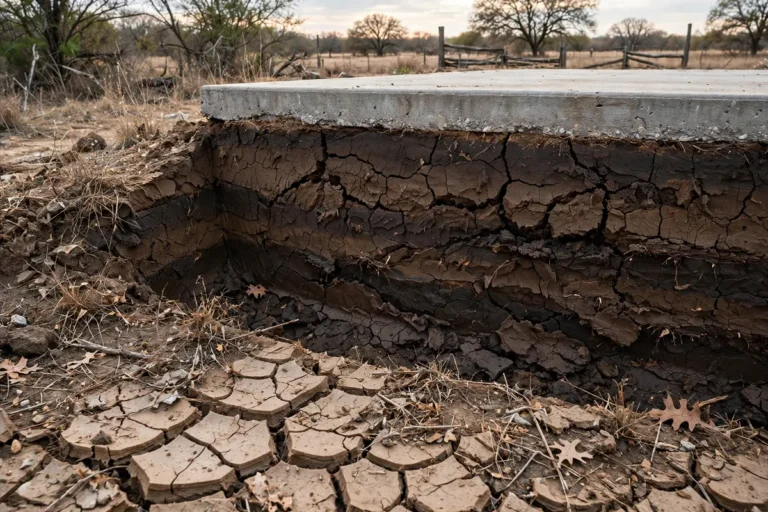
The catch: the conditions that caused this pinhole — aging copper, hard water, reactive clay — still exist in every other inch of that line. On 1960s–80s copper at failure age, spot repair is a bandage: fix one spot, get called back in a year for the next one, and you’ve paid for two slab openings. Reasonable only for newer homes with an isolated failure (a kinked line from construction, a nail strike).
Option 2: Reroute — The DFW Industry Standard
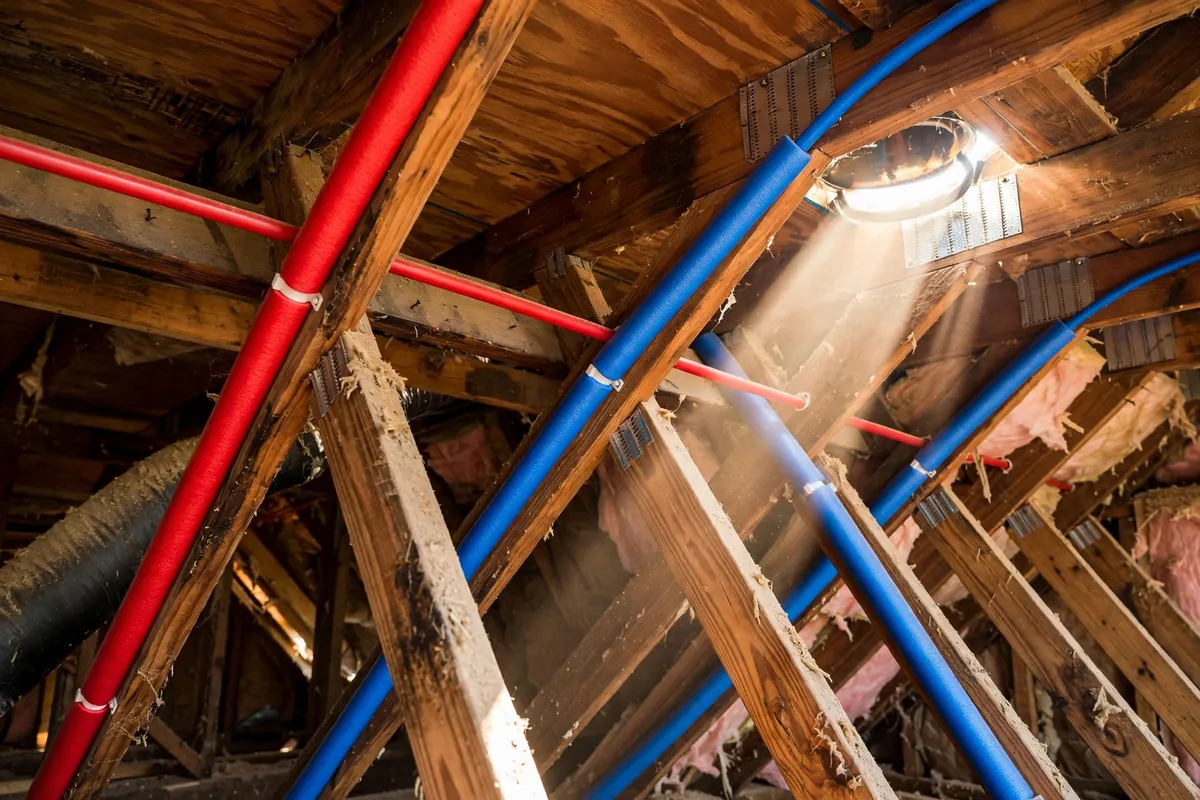
What it is: abandon the failed line under the slab and run a brand-new line overhead — through the attic, insulated for Texas heat, down inside walls to the fixtures. The old pipe stays buried and harmless.
Cost: $2,500–$6,000 — driven by fixtures served, attic accessibility, run distance, and wall patching.
Why it’s the standard: no jackhammering, no slab dust, no matching 20-year-old tile. The new PEX or copper line carries a long warranty because it’s new and accessible. For a single confirmed leak, it’s the best value in plumbing — most jobs take 1–3 days with water off only during working hours.
Suspect a Leak? Get It Checked Before It Gets Worse.
Every day a leak runs, the damage — and the repair bill — keeps growing.
Option 3: Tunneling — What It’s Actually Like to Live Through
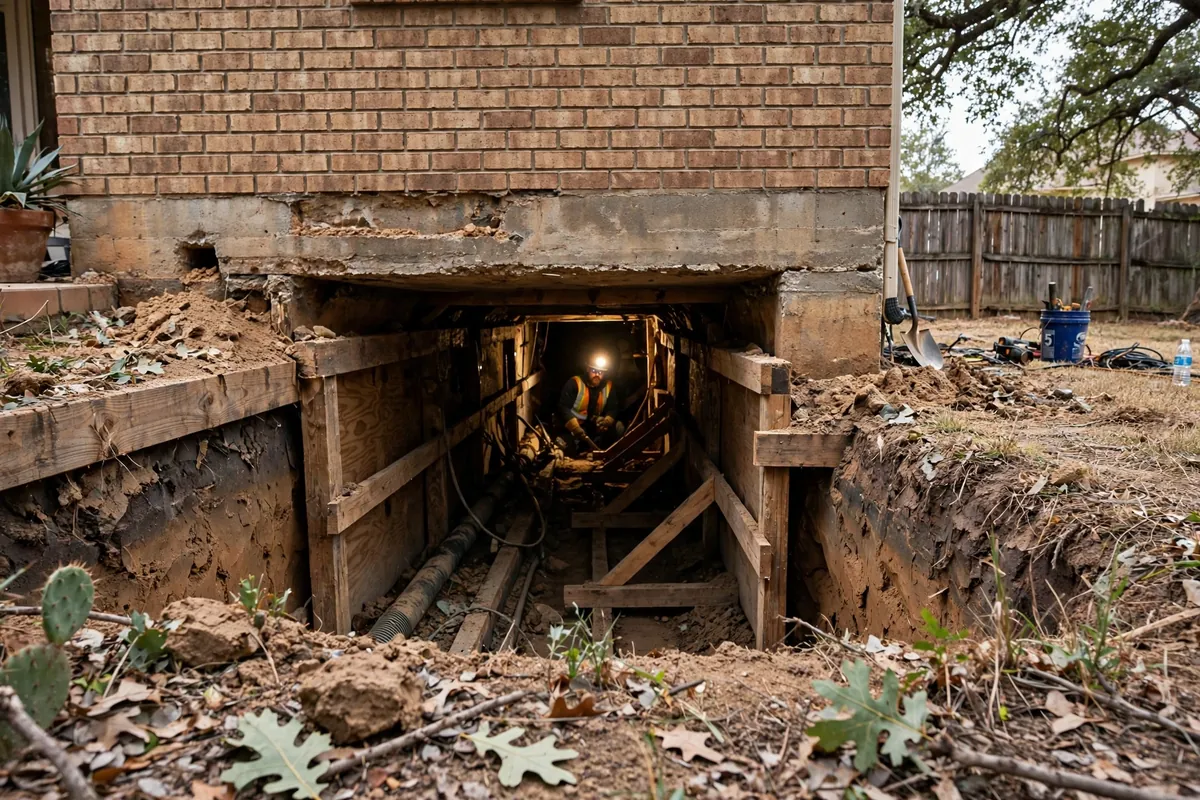
What it is: digging horizontally under the slab from outside the foundation — zero interior demolition, floors untouched.
Cost: $3,500–$8,000+, often ~$4,200 for the first 10 feet plus ~$250 per additional foot.
The homeowner’s-eye view: expect 1–3 days of digging noise from the yard side, a shored trench along your foundation, and real yard disruption — landscaping and irrigation near the dig path take a beating. Ask about the “beam clause”: if the tunnel hits a grade beam, some DFW companies add ~$700 per beam. Get that in writing upfront.
When tunneling is NOT an option: shallow rock that can’t be hand-dug, a high water table that floods the tunnel, or leaks deep in the slab’s interior far from any edge. If someone pushes tunneling as the only option without explaining reroute, get a second opinion.
Option 4: Epoxy Pipe Lining — The Option Nobody Explains
What it is: coating the inside of the existing pipe with epoxy resin — a pipe-within-a-pipe with no digging or demolition.
Pros: minimal disruption; seals multiple pinholes along a run at once; cheaper than a full repipe.
Cons: only works on pipes with enough structural integrity left — heavily corroded or collapsed sections don’t qualify; slightly reduces internal diameter; its 20+ year track record is thinner than PEX/copper repipes.
Vs. repipe: lining preserves walls and slab; repipe gives brand-new pipe with a full manufacturer warranty. If your pipe qualifies, it’s worth a quote. If it’s too far gone, lining is money wasted — get the camera inspection first and see the footage yourself.
Option 5: Whole-House Repipe — End the Cycle Permanently
What it is: all-new PEX or copper throughout, routed through attic and walls; old slab lines abandoned.
Cost: $4,500–$15,000 depending on home size and material.
When it’s the right call: two or more slab leaks; 1960s–80s copper at failure age; detection showing multiple weak points. It’s the most expensive option and the only one that ends the leak cycle permanently — two reroutes cost more than one repipe, and only the repipe carries a whole-system warranty.
After the Repair: Drying, Restoration & Paperwork
The pipe fix is halftime. Here’s the handoff nobody talks about:
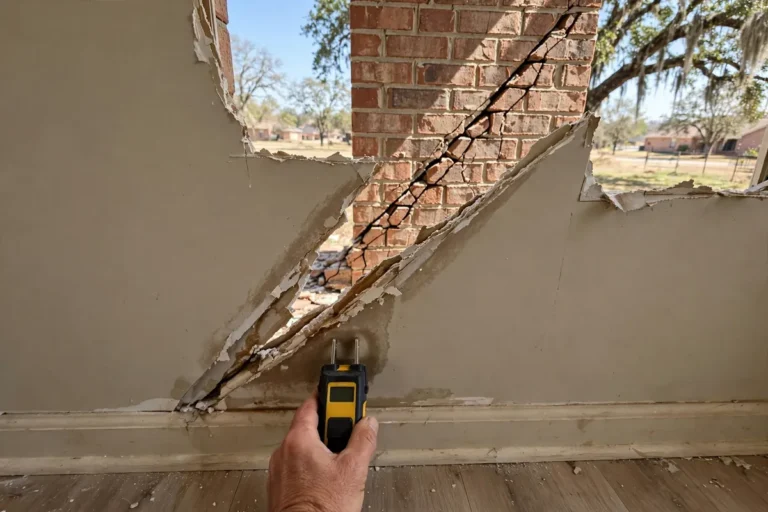
- Drying timeline: 3–5 days of active drying (dehumidifiers + air movers) for affected areas. Concrete and wall cavities dry slowly — moisture meters decide when it’s dry, not touch.
- When to call a restoration company: soaked drywall, baseboards, or flooring, or mustiness after 48 hours. Restoration is a different trade from plumbing — your leak specialist should hand off, not improvise.
- Flooring sequencing: never install new flooring over an unverified-dry slab: repair → dry (meter-verified) → restoration → flooring. Rushing traps moisture and voids warranties.
- Insurance documentation: keep the detection report, dated photos, written scope, and every receipt. In Texas the pipe repair usually isn’t covered but access/tear-out and resulting water damage often are.
Getting a Second Opinion on $5,000+ Quotes
Any quote over $5,000 deserves a second look. Compare four things, not just the bottom line: method (a cheap spot repair and a proper reroute aren’t comparable), materials in writing (PEX vs. copper, grade), warranty in writing (length, labor + materials?), and license # (verify the Texas master plumber license). Also confirm: is detection itemized and credited? Are permits and patching included? A quote missing these isn’t cheaper — it’s incomplete.
Frequently Asked Questions
Can a slab leak be fixed without breaking the floor?
Yes — that’s what reroutes and tunneling are for. A reroute abandons the under-slab line and runs new pipe through the attic ($2,500–$6,000); tunneling digs under the slab from outside ($3,500–$8,000+). Only spot repairs require opening the slab.
How do I actually decide between spot repair, reroute, and repipe?
Use pipe age and leak count: under-20-year-old pipe with one isolated leak → spot repair is defensible. Single leak with attic access → reroute (the standard). 1960s–80s copper, or two-plus leaks → repipe. When in doubt, the reroute is the safe middle.
Is epoxy lining a real alternative to repiping?
It’s real but conditional — it seals pinholes in pipe that’s deteriorated but still structurally sound, with no demolition. It can’t fix collapsed or heavily scaled pipe, and its multi-decade track record is thinner than PEX or copper. Get a camera inspection and see the footage before paying for lining.
What should I watch out for in a tunneling quote?
The per-foot rate past included footage (~$250/ft past 10 feet), the “beam clause” surcharge (~$700 per grade beam), and who’s responsible for yard restoration. Also confirm why tunneling was recommended over reroute — for interior leaks, reroute is usually cheaper and faster.
Should I get a second opinion on a $5,000+ slab leak quote?
Yes. Compare method (not just price), materials in writing, warranty terms in writing, and the company’s Texas license number. Check whether detection is itemized and credited, and whether permits and patching are included.
Get the Right Fix the First Time
The most expensive repair is the one you pay for twice. Get detection done, get an itemized recommendation for your pipe’s age and condition, and choose the option that ends the problem. DFW Slab Leak Pros connects you with licensed local specialists across the Metroplex for same day leak detection in Dallas — detection $300–$600, credited toward your repair.
📞 Call (888) 555-0199 — lines open 24/7.
Water Where It Shouldn’t Be? Don’t Wait.
Every hour a leak runs, the damage — and the repair bill — keeps growing.


One Comment