What To Do When Water Comes Up Through Your Floor
What To Do When Water Comes Up Through Your Floor
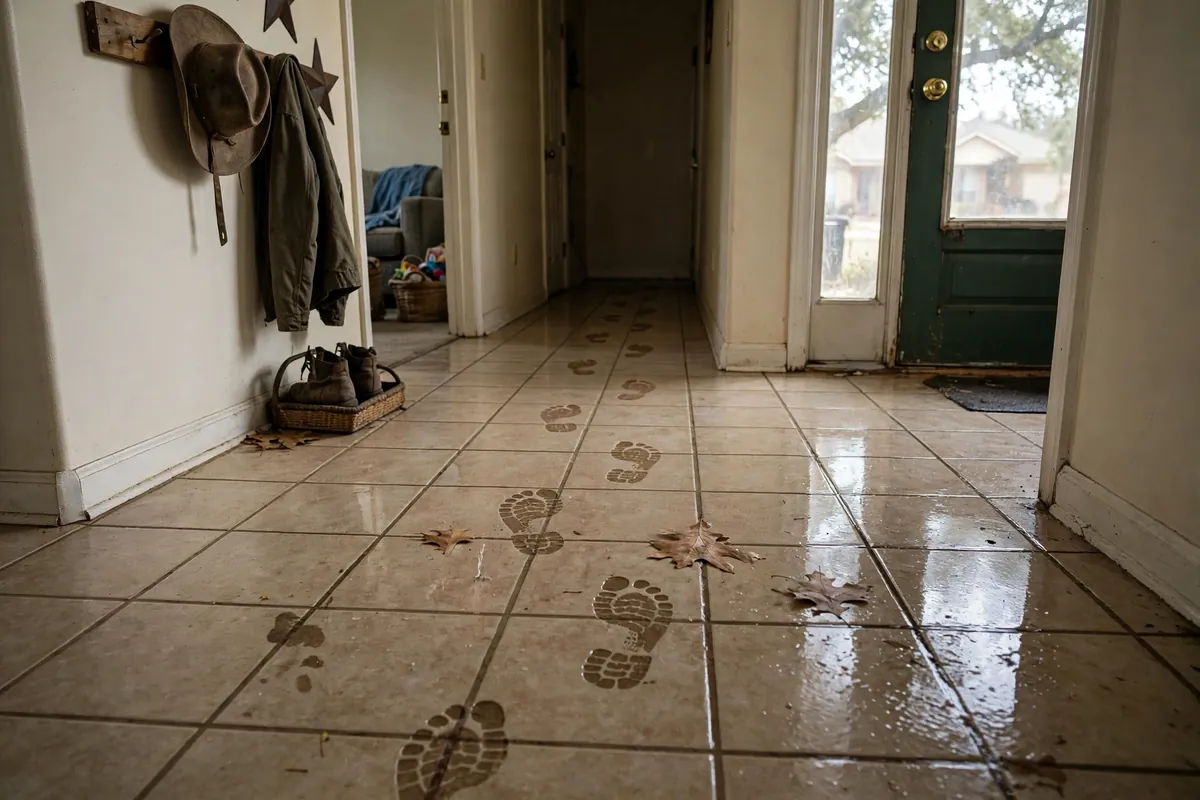
Water is coming up through your floor right now. Not dripping from a pipe you can see — pushing up through tile grout, seeping from under baseboards, bubbling through a slab crack. It’s alarming, it’s getting worse by the minute, and you need to know two things: what to do in the next ten minutes, and what’s actually happening under your house. Read the red box first. Everything else can wait.
Water through the floor is an emergency — skip to 24/7 emergency leak repair now, or first confirm the other slab leak warning signs.
⚠️ Do This RIGHT NOW
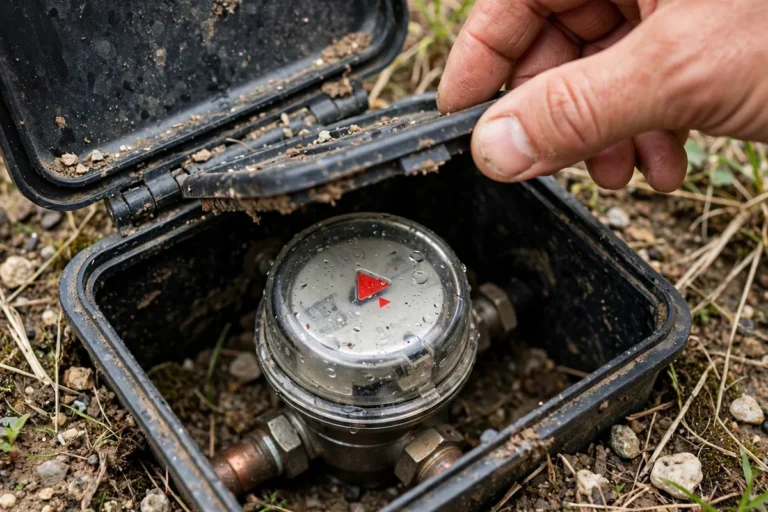
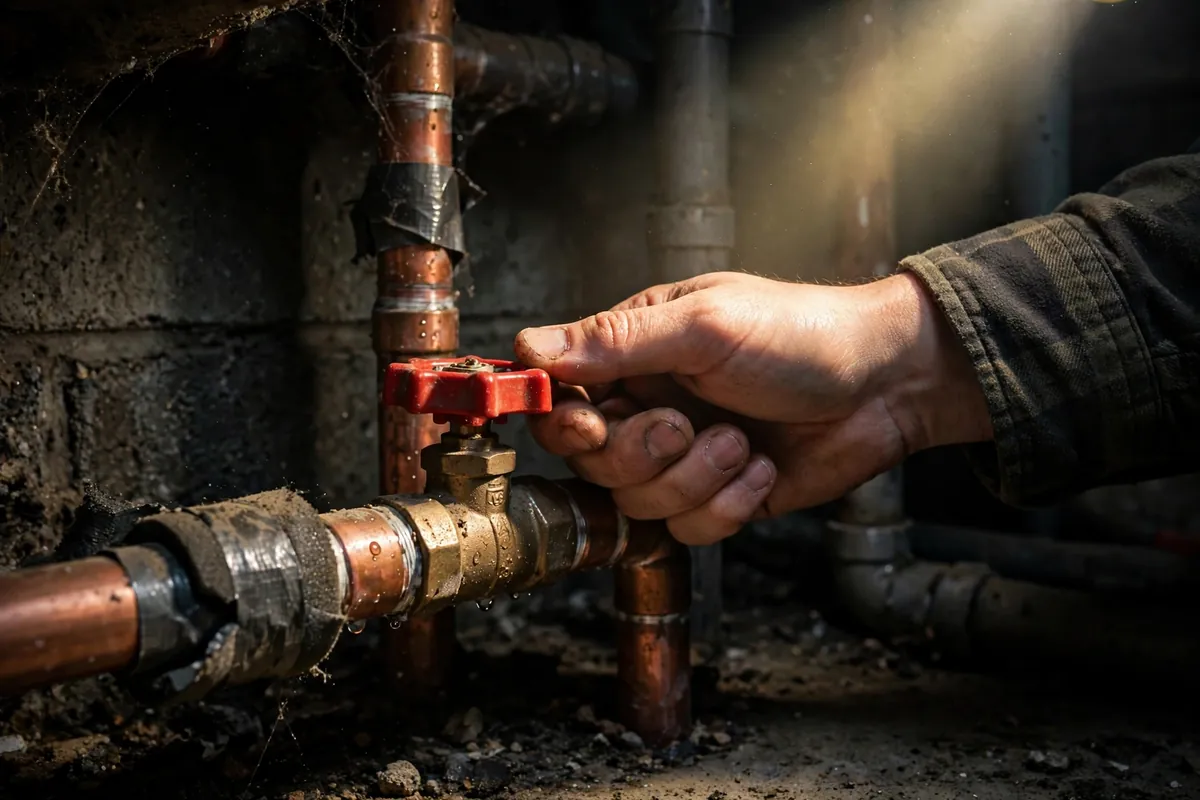
- Shut off your main water valve — immediately. Garage wall, utility closet, or the meter box at the curb. Turn it fully clockwise. If water stops rising within minutes, you’ve confirmed a pressurized pipe leak. This single action stops the damage.
- Kill power to the affected area. Water and electricity don’t mix — flip breakers for any rooms with standing water. Don’t walk through standing water to reach a panel; if in doubt, stay out.
- Move valuables up and out. Electronics, documents, rugs, furniture legs — get them off the wet floor now. Water wicks fast.
- Take photos and video, timestamped. Every wet area, every angle. Your insurance claim depends on this evidence.
- Call (888) 555-0199. DFW Slab Leak Pros connects you with licensed local specialists for emergency slab leak detection in Dallas and 24/7 leak detection in Fort Worth — nights, weekends, holidays. Say “water is coming up through my floor” and you’ll be prioritized.
Do NOT start breaking up flooring to “find it.” Do NOT pour anything into drains. Do NOT wait until morning — a pressurized leak runs hundreds of gallons overnight.
What’s Actually Happening Under Your Floor
In a DFW slab-on-grade home, water surfacing through the floor almost always means one of two things:
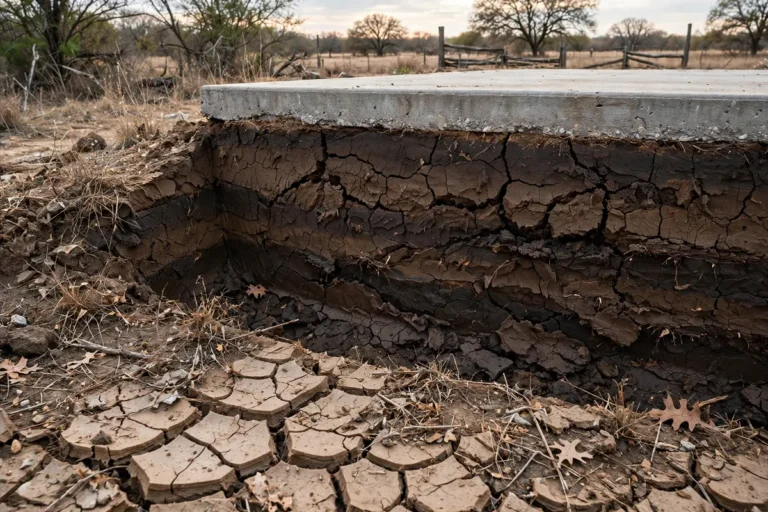
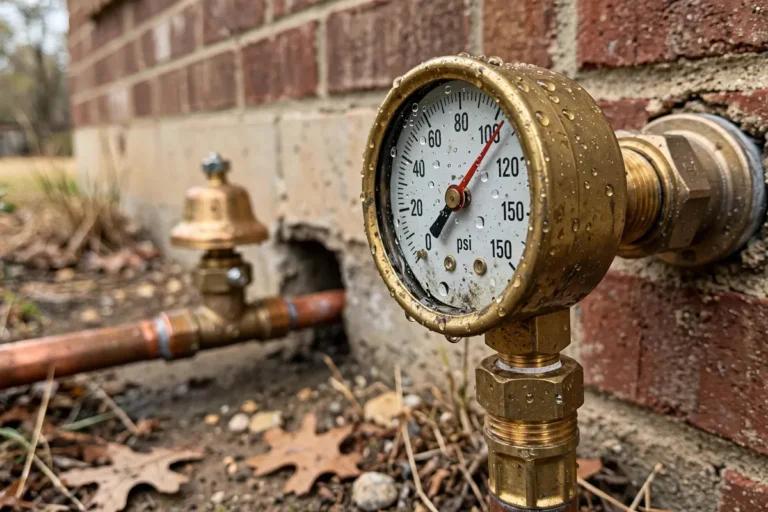
1. A pressurized supply line has broken under the slab. This is the most common and most urgent cause. Water under 40–80 PSI of pressure escapes through a pinhole or cracked copper line, saturates the soil, and — with nowhere else to go — pushes up through the path of least resistance: grout lines, slab cracks, the gap under baseboards, around toilet flanges. If shutting off your main valve stops the water from rising, this is your answer. DFW’s clay soil and aging copper make this the metro’s signature plumbing emergency.
2. Hydrostatic pressure pushing groundwater up. After heavy Texas rains, the water table under your slab can rise enough to force water up through cracks and cold joints in the concrete. This isn’t a broken pipe — it’s groundwater, and shutting off your main valve won’t stop it. The tell: it follows major rain events, affects low spots and cracks rather than grout lines near plumbing, and continues even with the water off. This is a drainage/foundation issue, not a plumbing leak — but it still needs professional assessment, because chronic hydrostatic pressure erodes soil support and invites mold.
The shutoff test distinguishes them in minutes: water stops rising with the main off = pipe leak. Water keeps coming with the main off = groundwater/hydrostatic. Either way, you need a professional on site — but knowing which one tells the specialist exactly what equipment to bring.
The First Hour: Damage Control
Once the water is shut off and you’ve called, protect the house:
- Extract standing water. A wet/dry vac, towels, mops — whatever you have. The longer water sits, the deeper it wicks into drywall, baseboards, and subflooring.
- Get air moving. Fans pointed at wet areas, AC running (it dehumidifies), windows open if humidity outside is lower than inside.
- Pull back carpet and rugs from wet areas so the pad underneath can dry — carpet pad holds water like a sponge and grows mold fast.
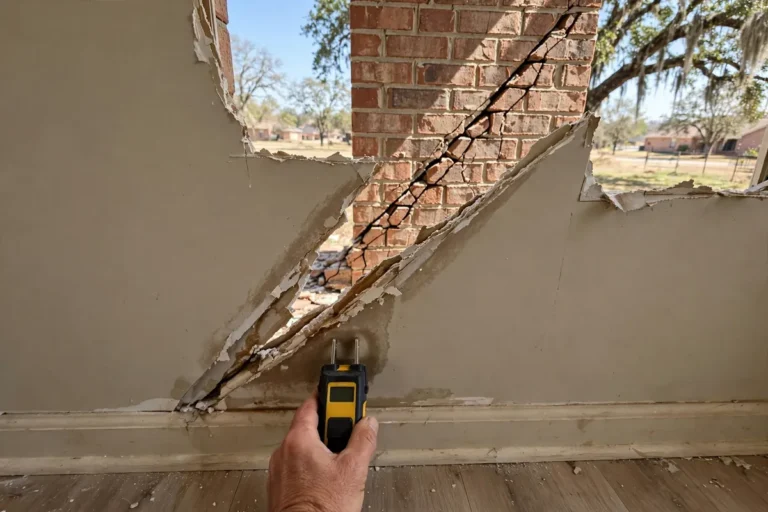
- Don’t rip out flooring yet. Document first, then let the specialist and (if applicable) your insurance adjuster see the damage as-found. Premature demolition complicates claims.
- Watch for warmth. If the surfacing water feels warm, it’s a hot-water line leak — note that for the specialist, because it narrows the search immediately.
Suspect a Leak? Get It Checked Before It Gets Worse.
Every day a leak runs, the damage — and the repair bill — keeps growing.
What the Specialist Will Do When They Arrive
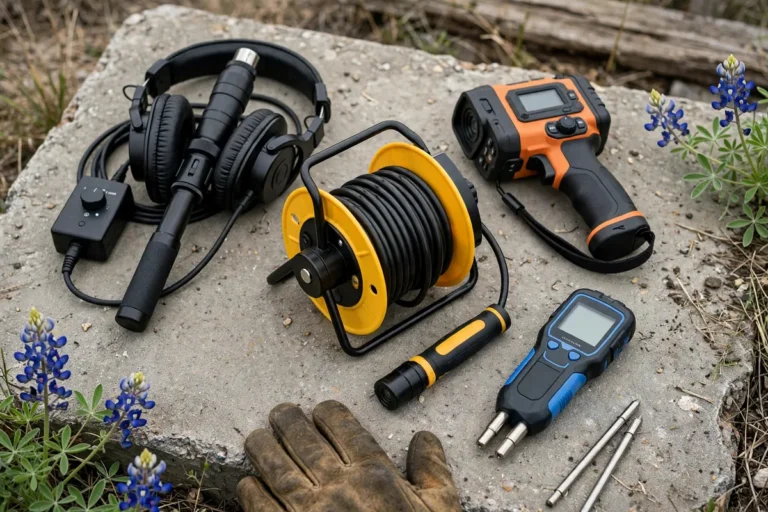
Whether it’s 2 AM or 2 PM, the process is the same: confirm the leak with a meter and pressure test, then pinpoint it with acoustic listening and thermal imaging — no random demolition. Once located, you’ll get a straight explanation of repair options (spot repair vs. reroute vs. repipe) with itemized pricing. Detection runs $300–$600 and is typically credited toward the repair. If it turns out to be hydrostatic groundwater rather than a pipe leak, an honest specialist will tell you that too — and point you toward drainage and foundation solutions instead of selling you plumbing work you don’t need.
Why This Can’t Wait Until Morning
Every hour of pressurized water under your slab: erodes more soil (foundation risk), saturates more flooring and drywall (restoration cost), and feeds mold growth that starts within 24–48 hours of sustained moisture. The repair itself costs the same at 2 AM as at 2 PM — detection and reroute pricing doesn’t change with the clock — but the damage bill grows every hour the water runs. An after-hours call isn’t an extravagance; it’s the cheapest decision you’ll make tonight. And if you have other slab leak symptoms you’ve been ignoring, consider this the one that forced the issue.
Frequently Asked Questions
Is water coming through the floor always a slab leak?
Almost always it’s either a broken pressurized pipe under the slab or hydrostatic groundwater pressure after heavy rain. The shutoff test tells you which: if the water stops rising when you shut off your main valve, it’s a pipe leak. If it continues, it’s groundwater. Both need professional attention, but they’re different trades — plumbing versus drainage/foundation.
Can I just mop it up and deal with it tomorrow?
No. If it’s a pressurized leak, mopping is bailing a boat with a hole in the hull — the water keeps coming all night, hundreds of gallons, eroding soil and soaking everything it touches. Shut off the main valve (which actually stops it) and call for after-hours detection. Tomorrow’s version of this problem is strictly worse and more expensive.
The water stopped after I shut off the main. Is the emergency over?
The active damage is stopped, which is a huge win — but the broken pipe is still broken, and you have no water until it’s repaired. The emergency phase is over; the repair phase starts now. Call for detection so you can get a repair scheduled, and keep the main off (with the water heater disabled) until then.
Will my homeowners insurance cover this?
Often, partially. In Texas, the pipe repair itself is usually excluded as wear and tear, but the sudden water damage — ruined flooring, drywall, mold remediation — is frequently covered. Document everything now with timestamped photos, and read our full guide on Texas insurance and slab leaks before you file.
How do I know it’s not just condensation or a spill?
Condensation doesn’t push up through grout lines or slab cracks, and spills don’t keep spreading after you mop them. If water reappears after mopping, rises through the floor (rather than dripping from above), or appears far from any plumbing fixture, it’s coming from below — treat it as a slab leak until a professional proves otherwise.
Water Off, Photos Taken — Now Call
You’ve done the critical first steps. What happens next requires licensed professionals with acoustic and thermal detection equipment — and the sooner they arrive, the smaller your damage bill. DFW Slab Leak Pros connects you with licensed local specialists for burst pipe under slab emergencies and after hours leak detection across Dallas, Fort Worth, Plano, Frisco, Arlington, and the entire Metroplex.
📞 Call (888) 555-0199 now — 24/7, including right now.
Water Where It Shouldn’t Be? Don’t Wait.
Every hour a leak runs, the damage — and the repair bill — keeps growing.